Eliyah Serif Font for Modern Editorial Design
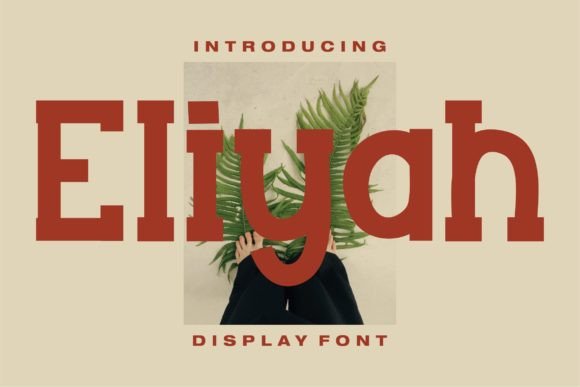
Eliyah is a bold serif font with a modern style that brings elegance and clarity to editorial design. Its clean lines and refined details make it ideal for creating visual impact without sacrificing readability. Whether you're designing a blog header, magazine cover, or printable guide, Eliyah adds a touch of sophistication that resonates with readers.
Visual Characteristics and Editorial Appeal
Eliyah’s design combines the traditional warmth of serif typography with contemporary minimalism. The strong stroke contrast and subtle serifs give it a professional look while maintaining a modern edge. This balance makes Eliyah suitable for both digital and print formats, ensuring consistency across different media.
The font’s personality is confident yet approachable, making it well-suited for content that aims to inform, inspire, or engage. Its structure supports visual hierarchy, helping to guide readers through complex layouts with ease.
Applications in Editorial Design
Eliyah can be used in various editorial contexts. For blog headers, its boldness commands attention, making it perfect for headlines that need to stand out. In magazine covers, Eliyah adds a polished finish that aligns with high-quality content.
For ebook titles and chapter openers, Eliyah’s readability ensures that readers can quickly navigate through sections. It also works well for quote graphics, where its elegant form enhances the message being conveyed.
In newsletter graphics, Eliyah provides a consistent brand identity that reinforces recognition. When used in printable guides or worksheets, its legibility ensures that information remains accessible even in smaller sizes.
Supporting Visual Hierarchy and Reader Engagement
Eliyah excels at supporting visual hierarchy by distinguishing headings from body text. Its weight and spacing help draw attention to key elements, improving reader engagement. When used as a display font, it creates a focal point that invites interaction.
Its versatility allows it to function as a primary or secondary typeface in a layout. Pairing Eliyah with a complementary sans serif font for body copy ensures a balanced design that is both aesthetically pleasing and easy to read.
Practical Examples in Content Creation
Consider using Eliyah for a lifestyle blog that focuses on wellness and self-care. Its calming presence complements themes of mindfulness and personal growth. In a recipe ebook, Eliyah can elevate the title pages and section headers, adding a touch of class to each dish.
For a wedding guide, Eliyah’s elegance fits perfectly with the romantic and celebratory tone. In a coaching workbook, its structured appearance supports the educational content, making it easier for readers to follow along.
When designing a digital magazine or creator newsletter, Eliyah contributes to a cohesive visual identity that strengthens brand recognition. Its adaptability ensures it works well across different platforms, including websites, social media, and email clients.
Readability Across Formats
Eliyah performs well on screens, in PDF exports, and when printed. Its clear letterforms ensure that text remains legible at various sizes, making it suitable for mobile layouts and desktop viewing. The font’s design minimizes eye strain, enhancing the overall reading experience.
For long-form content, Eliyah maintains readability without becoming visually overwhelming. Its structure allows for smooth transitions between paragraphs, keeping the reader engaged throughout the piece.
Font Pairing and Stylistic Flexibility
Eliyah pairs well with a range of fonts, offering flexibility for different design needs. Combining it with a clean sans serif font for captions or navigation creates a harmonious layout that is both functional and stylish.
For more dynamic designs, pairing Eliyah with a script or handwritten font can add a creative flair. However, it's important to maintain balance so that the overall design remains cohesive and easy to read.
Commercial Licensing and Usage
When using Eliyah for commercial projects such as ebooks, templates, or paid newsletters, it's essential to ensure that you have the appropriate licensing. Commercial use requires a premium font license to comply with copyright laws and support the creators behind the typeface.
Whether you're designing for a client publication, digital download, or print material, verifying the licensing terms will help avoid any legal issues and ensure that your work meets industry standards.